All posts by viyavong

The Environmental Impact of Proper Junk Removal Practices

In today’s world, the conversation about environmental sustainability has never been more urgent. From reducing our carbon footprint to protecting our ecosystems, every action we take has a profound impact on the planet we call home. Yet, amidst this dialogue, one often overlooked aspect is the environmental consequences of junk removal practices. In our quest for cleanliness and orderliness, we often discard items without considering their long-term effects on the environment. However, proper junk removal practices can significantly mitigate these impacts. In this blog, we delve into the crucial topic of junk removal and its environmental implications. From exploring the benefits of recycling and repurposing to highlighting the dangers of improper disposal methods, we aim to shed light on how our choices in managing waste can either harm or help the planet. Join us as we uncover the importance of adopting responsible junk removal practices for a greener, more sustainable future.

How Responsible Junk Removal Can Save Our Planet

The Environmental Impact of Proper Junk Removal Practices

In an era of increasing environmental awareness, the way we dispose of our junk has profound implications for the health of our planet. From overflowing landfills to pollution of land and waterways, improper junk removal practices can wreak havoc on ecosystems and contribute to climate change. However, by embracing responsible junk removal practices, we have the power to mitigate these impacts and pave the way for a more sustainable future.

Understanding the Environmental Toll of Junk

Proper junk removal begins with understanding the environmental toll of our waste. Every item we discard has a lifecycle that extends far beyond our immediate disposal, with implications for energy consumption, resource depletion, and pollution. By recognizing the interconnectedness of our actions with the health of the planet, we can make more informed choices about how we manage our junk.

Reducing Landfill Waste

One of the most pressing challenges of modern waste management is the sheer volume of material ending up in landfills. Responsible junk removal involves minimizing this waste by recycling, repurposing, and composting whenever possible. By diverting materials from landfills, we conserve valuable space, reduce greenhouse gas emissions, and mitigate the harmful effects of landfill leachate on soil and water quality.

Preserving Natural Resources

Many of the items we discard are made from finite natural resources, such as metals, minerals, and fossil fuels. Responsible junk removal entails maximizing resource recovery through recycling and upcycling, thereby reducing the need for virgin materials and conserving natural habitats. By closing the loop on resource extraction and consumption, we lessen the environmental impact of our consumption patterns and promote a more circular economy.

Minimizing Pollution 

Improper junk disposal can lead to pollution of air, soil, and water, posing significant threats to human health and biodiversity. From toxic chemicals leaching into groundwater to plastic debris choking marine life, the consequences of pollution are far-reaching and long-lasting. Responsible junk removal practices prioritize pollution prevention through proper handling, storage, and disposal of hazardous materials, as well as the adoption of eco-friendly alternatives to single-use plastics and harmful chemicals.

Protecting Wildlife 

Our junk doesn’t just affect human communities—it also impacts wildlife populations around the world. From entanglement in discarded fishing gear to ingestion of plastic debris, animals face numerous threats as a result of our waste. Responsible junk removal involves minimizing these risks through proper waste management and conservation efforts aimed at preserving natural habitats and biodiversity. By reducing our ecological footprint, we can help safeguard the delicate balance of ecosystems and protect vulnerable species from harm.

Turning Trash into Treasure: The Benefits of Recycling and Repurposing

The Environmental Impact of Proper Junk Removal Practices

In a world grappling with environmental challenges, the concept of turning trash into treasure has never been more relevant. Recycling and repurposing offer a transformative approach to waste management, turning discarded materials into valuable resources while minimizing the burden on our planet. From reducing landfill waste to conserving natural resources, the benefits of recycling and repurposing extend far beyond waste reduction, contributing to a more sustainable and resilient future.

Resource Conservation

At the heart of recycling and repurposing lies the principle of resource conservation. Instead of extracting new raw materials from the earth, recycling allows us to reuse existing materials, such as metals, plastics, and paper. By diverting these materials from landfills and returning them to the production cycle, we reduce the strain on natural resources and lessen the environmental impact of resource extraction.

Energy Savings

Recycling often requires less energy than producing new materials from scratch. For example, recycling aluminum cans consumes significantly less energy than mining and refining bauxite ore. Similarly, recycling paper conserves energy compared to manufacturing paper from virgin pulp. By choosing recycled materials over virgin ones, we reduce our reliance on fossil fuels and decrease the carbon emissions associated with resource extraction and processing.

Waste Reduction 

Recycling and repurposing help alleviate the burden of waste on our landfills, where it can take decades or even centuries to decompose. By diverting materials from the waste stream, we extend the lifespan of landfills and reduce the need for new disposal sites. Additionally, recycling reduces the amount of waste incinerated, thereby minimizing air pollution and greenhouse gas emissions from incineration processes.

Economic Opportunities

Recycling and repurposing create economic opportunities at every stage of the waste management process. From collection and sorting to processing and manufacturing, the recycling industry supports jobs and stimulates local economies. By investing in recycling infrastructure and supporting markets for recycled materials, communities can harness the economic potential of waste while simultaneously benefiting the environment.

Promoting Circular Economy

Recycling and repurposing are key components of the circular economy, a regenerative approach to resource management that aims to minimize waste and maximize resource efficiency. In a circular economy, materials flow in closed loops, where products are designed for durability, repair ability, and recyclability. By embracing circular principles, we can reduce the environmental footprint of consumption and create a more sustainable and equitable society.

Community Clean-Up: Mobilizing for Environmental Change

In the face of mounting environmental challenges, communities around the world are stepping up to take action through grassroots initiatives like community clean-ups. These events not only beautify neighborhoods but also mobilize individuals to make a tangible impact on the environment. By coming together to remove litter and debris from public spaces, communities demonstrate their commitment to environmental stewardship and inspire others to join the movement for positive change.

  • Local Impact: Community clean-ups have a direct and immediate impact on the local environment by removing unsightly litter and debris from streets, parks, and waterways. By restoring natural beauty to public spaces, clean-up efforts enhance community pride and quality of life for residents.
  • Environmental Awareness: Clean-up events raise awareness about the importance of waste reduction, recycling, and responsible consumption. By engaging participants in hands-on activities, clean-ups educate individuals about the environmental consequences of littering and the benefits of proper waste management.
  • Collaborative Action: Community clean-ups foster collaboration and solidarity among residents, businesses, and organizations. By working together toward a common goal, participants build relationships, strengthen community ties, and empower each other to take collective action for environmental change.
  • Youth Engagement: Clean-up events provide opportunities for youth engagement and environmental education. By involving young people in hands-on conservation activities, clean-ups inspire the next generation of environmental leaders and instill values of stewardship and responsibility.

Conclusion

The conscientious management of junk removal, as exemplified by Surrey Junk Removal Guy in Surrey, British Columbia, plays a crucial role in mitigating environmental impact. By employing proper disposal methods and recycling practices, businesses like Surrey Junk Removal Guy contribute significantly to reducing landfill waste and promoting sustainability within their communities. Their dedication to responsible junk removal not only fosters cleaner and healthier environments but also sets a commendable standard for businesses aiming to minimize their ecological footprint. Through such initiatives, communities in Canada, and beyond, can move towards a more environmentally conscious future.

Maximizing Your Space: Junk Removal for Small Apartments

Space is a prized commodity, especially in small apartments where every square foot counts. It’s all too easy for clutter to accumulate, turning your cozy abode into a chaotic maze. But fear not! With the right strategies and a bit of determination, you can reclaim your space and transform your tiny apartment into a haven of tranquility and functionality. In this guide, we’ll delve into the art of junk removal specifically tailored for small apartments. From clever storage solutions to strategic decluttering techniques, we’ll explore practical tips and tricks to help you maximize every inch of your living space. Whether you’re a minimalist at heart or a seasoned hoarder looking to downsize, this blog is your go-to resource for conquering clutter and creating a home that feels spacious, organized, and utterly inviting. Say goodbye to the chaos and hello to a newfound sense of serenity in your pint-sized paradise!

The Minimalist Approach: Decluttering Tips for Small Apartment Dwellers

Streamline Your Space: Furniture Removal Hacks You Need to Know

Living in a small apartment presents a unique set of challenges, particularly when it comes to keeping clutter at bay. However, adopting a minimalist approach to decluttering can transform even the tiniest of spaces into organized and serene havens. In this blog post, we’ll explore eight practical tips for decluttering your small apartment and maximizing every square inch of space.

Start with a Clear Vision

Before diving into the decluttering process, take a moment to envision your ideal living space. Consider how you want the room to feel and function. Having a clear vision will help you stay focused and motivated throughout the decluttering journey. Begin by identifying areas in your apartment that tend to accumulate clutter. Whether it’s the entryway, kitchen countertops, or closet shelves, pinpointing problem areas will allow you to prioritize where to begin.

Embrace the KonMari Method

Made famous by organizing guru Marie Kondo, the KonMari method advocates for decluttering by category rather than by room. Start with categories such as clothing, books, papers, miscellaneous items, and sentimental items. Gather everything within each category and assess each item individually, keeping only those that spark joy.

As you go through your belongings, ask yourself whether each item serves a practical purpose or brings genuine happiness into your life. Letting go of items that no longer serve you will free up valuable space and create a more intentional living environment.

Streamline Your Wardrobe

Clothing often takes up a significant amount of space in small apartments. To maximize your closet space, pare down your wardrobe to pieces that you love and wear regularly. Consider donating or selling items that no longer fit or align with your personal style.

Invest in space-saving storage solutions such as slim hangers, collapsible bins, and under-bed organizers to make the most of your closet space. Utilize vertical space by installing hooks or hanging shelves for additional storage.

Opt for Multi-Functional Furniture

In a small apartment, every piece of furniture should serve a purpose. Choose multi-functional pieces that offer both storage and versatility. Look for coffee tables with built-in storage, ottomans that double as seating and storage, and bed frames with drawers underneath. Maximize vertical space by incorporating tall bookshelves or floor-to-ceiling shelving units. These not only provide ample storage but also draw the eye upward, making the room feel larger and more expansive.

Digitize Your Paperwork

Paper clutter can quickly accumulate in small apartments, leading to a sense of disorganization. Take steps to digitize important documents and paperwork to reduce physical clutter. Invest in a scanner or utilize scanning apps on your smartphone to create digital copies of bills, receipts, and other paperwork.

Small Space, Big Impact: Clever Storage Solutions for Tiny Apartments

In small apartments, maximizing storage space is essential for maintaining a clutter-free and functional living environment. Fortunately, with a bit of creativity and strategic planning, even the tiniest of spaces can offer ample storage opportunities. In this blog post, we’ll explore eight clever storage solutions specifically designed to make a big impact in tiny apartments, helping you make the most of every square inch.

Utilize Vertical Space

When floor space is limited, look to the walls for additional storage opportunities. Install floating shelves or wall-mounted cabinets to store books, decorative items, and everyday essentials. Vertical storage not only maximizes space but also draws the eye upward, creating the illusion of a taller and more spacious room. Consider investing in a pegboard or grid panel system for customizable wall storage in areas such as the kitchen or home office. These versatile solutions allow you to hang hooks, baskets, and shelves to keep frequently used items within easy reach while freeing up valuable counter and desk space.

Invest in Multi-Functional Furniture

In a small apartment, furniture that serves multiple purposes is worth its weight in gold. Look for pieces such as storage ottomans, sleeper sofas with built-in storage compartments, and coffee tables with lift-top surfaces. These multi-functional furniture pieces not only provide extra storage space but also help maximize versatility and functionality in your living area. Consider a bed frame with built-in drawers or a storage headboard to capitalize on underutilized space in the bedroom. Opt for dining tables with collapsible or expandable leaves to accommodate guests while saving space when not in use.

Make Use of Under-Bed Storage

The space under your bed is a goldmine for storage in small apartments. Invest in under-bed storage containers or bins to store out-of-season clothing, extra linens, shoes, and other bulky items. Choose containers with wheels for easy access and retrieval, making it simple to slide them in and out as needed. Alternatively, opt for a bed with built-in storage drawers or a platform bed with open shelving underneath. These options provide convenient storage solutions while keeping clutter hidden from view, maintaining a clean and organized bedroom environment.

Get Creative with Door Storage

Don’t overlook the potential of your doors for adding extra storage space to your apartment. Install over-the-door organizers or hooks on the backs of doors to store shoes, accessories, cleaning supplies, and other miscellaneous items. Utilize hanging shoe organizers on closet doors to free up floor space and keep footwear neatly organized and easily accessible. For added versatility, consider attaching a corkboard or magnetic board to the inside of a cabinet door to create a space for pinning notes, recipes, or small kitchen utensils. Maximize every inch of available space to keep clutter at bay and streamline your daily routines.

Divide and Conquer with Room Dividers

In studio apartments or open-plan layouts, room dividers can serve double duty as both decorative accents and practical storage solutions. Choose room dividers with built-in shelving or cubbies to create visual separation between living areas while providing additional storage space for books, decorative objects, and household essentials.

 The Art of Vertical Living: Maximizing Wall Space in Small Apartments

In small apartments, every inch of space counts. One often overlooked area for storage and organization is the walls. By embracing vertical living, you can transform blank walls into valuable storage real estate. Let’s explore key points for maximizing wall space in small apartments.

  • Wall-Mounted Shelves: Install floating shelves to display decorative items and store everyday essentials, keeping surfaces clear and maximizing storage.
  • Vertical Storage Units: Utilize tall bookshelves or modular storage units to take advantage of vertical space, keeping belongings organized and accessible.
  • Hooks and Racks: Install hooks and racks for hanging coats, bags, and accessories, freeing up floor space and keeping entryways tidy.
  • Pegboards and Grid Panels: Use pegboards or grid panels in kitchens and home offices for customizable storage solutions, keeping tools and supplies within easy reach.

Conclusion

Surrey Junk Removal Guy stands as a beacon for those seeking to maximize space in their small apartments within Surrey, British Columbia, Canada. With their dedicated service and contact information readily available, individuals grappling with clutter and space constraints can rely on this business to efficiently declutter and reclaim their living areas. By offering a solution to the common challenge of limited space, Surrey Junk Removal Guy not only provides a practical service but also contributes to enhancing the overall quality of life for residents in small apartments, enabling them to enjoy a more organized and spacious living environment.

Junk Removal Mastery: Tips for a Clean Space

Junk Removal Mastery: Tips for a Clean Space

In a world where clutter seems to accumulate faster than we can keep up, mastering the art of junk removal is essential for maintaining a clean and organized living space. Whether you’re tackling a cluttered garage, a chaotic basement, or simply looking to streamline your home, this guide is your roadmap to reclaiming your space and sanity. In “Junk Removal Mastery: Tips for a Clean Space,” we delve into expert strategies and practical advice to help you efficiently declutter and revitalize your surroundings. From effective sorting techniques to eco-friendly disposal methods, we’ve got you covered every step of the way. Say goodbye to the stress of clutter and hello to a refreshed, rejuvenated living environment. It’s time to take control of your space and unlock the peace and tranquility that comes with a clutter-free life. Let’s embark on this journey together towards a cleaner, calmer, and more harmonious living space.

Declutter Like a Pro: Essential Steps for Junk Removal

Steps for Junk Removal

Are you tired of feeling overwhelmed by clutter? Do you dream of reclaiming your space and creating a more organized environment? If so, you’re not alone. Many people struggle with excess stuff that seems to accumulate endlessly. But fear not – with the right approach, you can declutter like a pro and transform your space into a clean, clutter-free oasis. In this blog post, we’ll explore eight essential steps for junk removal that will help you tackle cluttered areas with confidence and efficiency.

Assess Your Space

The first step in any successful decluttering project is to assess the scope of the task at hand. Take a comprehensive look at your space, identifying areas that are particularly cluttered or disorganized. This might include closets, cabinets, drawers, and other storage areas. By understanding the extent of the clutter, you’ll be better equipped to develop a plan of action.

Set Clear Goals

Once you’ve assessed your space, it’s time to set clear decluttering goals. Ask yourself what you hope to achieve through the process. Are you looking to create more space, improve functionality, or simply reduce visual clutter? By establishing specific objectives, you’ll stay focused and motivated as you work through the decluttering process.

Sort and Categorize

With your goals in mind, begin sorting through your belongings and categorizing them into distinct groups. This might include items to keep, donate, sell, recycle, or discard. As you go through each item, be honest with yourself about its usefulness and significance. Remember, the goal is to minimize excess clutter and only keep items that add value to your life.

Declutter Room by Room

To prevent feeling overwhelmed, tackle your decluttering project one room at a time. Start with a small, manageable space, such as a bathroom or pantry, and work your way through each room systematically. Focus on one area at a time, decluttering thoroughly before moving on to the next. This approach will help you maintain momentum and see tangible progress.

Create a System for Organization

As you declutter, it’s essential to establish a system for organizing the items you choose to keep. Invest in storage solutions such as bins, baskets, shelves, and drawer dividers to help maximize space and keep belongings neatly organized. Labeling containers and shelves can also streamline the retrieval process and ensure everything has a designated place.

Sustainable Junk Removal: Tips for Eco-Friendly Decluttering

Sustainable Junk Removal

In today’s world, sustainability is more important than ever. As we strive to reduce our environmental impact and live more consciously, even our decluttering efforts can play a role in promoting eco-friendliness. Sustainable junk removal involves not only getting rid of excess clutter but doing so in a way that minimizes waste and maximizes environmental benefits. In this blog post, we’ll explore eight tips for eco-friendly decluttering that will help you lighten your environmental footprint while creating a cleaner, more organized space.

Assess Your Environmental Impact

Before diving into your decluttering project, take a moment to consider the environmental impact of your belongings. Think about where they came from, how they were made, and what will happen to them once you dispose of them. By understanding the lifecycle of your possessions, you can make more informed decisions about how to declutter in a sustainable manner.

Reduce, Reuse, Recycle

The mantra of sustainability – reduce, reuse, recycle – should guide your decluttering efforts. Prioritize reducing your overall consumption by only keeping items that serve a purpose or bring you joy. When possible, choose reusable alternatives to disposable products and opt for items made from recycled materials. And always recycle materials such as paper, plastic, glass, and metal to minimize waste sent to landfills.

Donate to Charitable Organizations

One person’s trash is another person’s treasure. Instead of throwing away unwanted items, consider donating them to charitable organizations in your community. Clothing, furniture, household goods, and electronics are often in high demand and can benefit those in need. Not only does donating reduce waste, but it also gives your belongings a second life and supports worthy causes.

Host a Swap or Giveaway Event

Another eco-friendly decluttering option is to host a swap or giveaway event with friends, family, or neighbors. Invite others to bring items they no longer need or want and encourage swapping or freely giving away items to those who can use them. This not only prevents items from ending up in the landfill but also fosters a sense of community and sharing.

Upcycle and Repurpose

Get creative with your decluttering by upcycling and repurposing items that no longer serve their original purpose. Turn old clothing into cleaning rags or fabric scraps into quilts. Transform empty jars into storage containers or planters. By giving new life to old items, you reduce waste and add unique, personalized touches to your home decor.

Maintaining a Clutter-Free Space: Tips for Long-Term Success

Congratulations on decluttering your space and achieving a clutter-free environment! Now, the key is to maintain it. Here are some essential tips for long-term success in keeping your space tidy and organized.


  • Establish Daily Habits: Incorporate small decluttering tasks into your daily routine, such as tidying up before bed or tackling one area each morning.
  • Implement Storage Solutions: Invest in storage bins, shelves, and organizers to keep belongings organized and easily accessible.
  • Practice the One-In, One-Out Rule: For every new item you bring into your home, consider removing an old item to prevent clutter from accumulating.
  • Regularly Assess Your Space: Set aside time each month to evaluate your space and purge any unnecessary items that have accumulated.

Conclusion

Achieving a clutter-free and organized living or workspace is essential for productivity, peace of mind, and overall well-being. Surrey Junk Removal Guy in Surrey, British Columbia, Canada, offers a vital service in this pursuit, providing efficient junk removal solutions for individuals and businesses alike. By dialing (604) 900-3672, residents can access professional assistance in decluttering their spaces, contributing not only to a cleaner environment but also to a more functional and aesthetically pleasing one. Embracing the mastery of junk removal not only transforms physical spaces but also fosters a mindset of simplicity and order, ultimately enhancing the quality of life.

Junk Removal 101: Tips and Tricks for a Stress-Free Process

Welcome to our guide on junk removal, where we’ll unveil the insider tips and tricks for a hassle-free experience. Whether you’re decluttering your home, renovating your space, or just looking to clear out unwanted items, navigating the world of junk removal can often feel overwhelming. But fear not, because we’ve got you covered! In this comprehensive guide, we’ll walk you through everything you need to know to streamline the junk removal process. From identifying what items can be disposed of safely to choosing the right removal service for your needs, we’ll provide expert advice to help you tackle any junk-related challenge with ease. Say goodbye to stress and hello to a clutter-free environment as we delve into the fundamentals of junk removal. Whether you’re a seasoned pro or a first-time declutter, our tips and tricks will ensure that your journey towards a cleaner, more organized space is smooth sailing. Let’s dive in!

Declutter Your Life: Top Strategies for Efficient Junk Removal

junk disposal being carted off

Are you tired of feeling overwhelmed by clutter? Do you find yourself constantly tripping over items you no longer need or use? It’s time to take control of your space and declutter your life! In this comprehensive guide, we’ll explore the top strategies for efficient junk removal, helping you reclaim your home and create a peaceful environment. Say goodbye to clutter-induced stress and hello to a space that fosters clarity and serenity.

Assess Your Space

Before diving into the decluttering process, take a step back and assess your space. Walk through each room and identify areas that are overrun with clutter. Make note of items that are no longer useful or bring you joy. This initial assessment will provide a roadmap for your decluttering journey.

Set Clear Goals

Establish clear goals for your decluttering efforts. Whether you aim to create a more functional living space or simply reduce the amount of stuff you own, setting specific objectives will help keep you focused and motivated throughout the process. Write down your goals and refer to them regularly as you work through each room.

Start Small

Decluttering can feel like a daunting task, especially if you have a lot of stuff to sort through. To avoid feeling overwhelmed, start small. Begin with one room or even just one area within a room. Tackle manageable chunks of clutter at a time, and gradually work your way through your entire space.

Use the “Keep, Donate, Discard” Method

As you sort through your belongings, use the “keep, donate, discard” method to make decisions about each item. Ask yourself if the item is truly necessary or if it brings you joy. If not, consider donating it to someone in need or discarding it responsibly. Be ruthless in your decision-making to prevent clutter from creeping back into your space.

Invest in Storage Solutions

Once you’ve decluttered your space, invest in storage solutions to help keep things organized. Choose storage bins, baskets, and shelving units that suit your needs and complement your decor. Utilize vertical space to maximize storage potential and keep clutter at bay.

 Streamline Your Move: Junk Removal Tips for Moving Day

 Streamline Your Move: Junk Removal Tips for Moving Day

Moving day is often accompanied by a mix of excitement and stress as you prepare to embark on a new chapter in your life. However, the process can become even more overwhelming if you’re burdened by unnecessary clutter. In this guide, we’ll explore how to streamline your move by incorporating effective junk removal tips. By decluttering before you move, you’ll not only lighten your load but also make the transition to your new home smoother and more enjoyable.

Start Early

The key to successful junk removal on moving day is to start early. Don’t wait until the last minute to begin decluttering your home. Begin several weeks or even months before your move date to give yourself ample time to sort through your belongings and decide what to keep, donate, or discard.

Take Inventory

Before you start decluttering, take inventory of your belongings. Create a list of items you want to keep, items you no longer need or use, and items you’re unsure about. This will help guide your decluttering efforts and ensure that nothing important gets overlooked in the process.

Declutter Room by Room

To avoid feeling overwhelmed, tackle your decluttering efforts one room at a time. Start with the rooms that accumulate the most clutter, such as the garage, attic, or basement, and work your way through each space systematically. This approach will help you stay focused and organized throughout the process.

Use the One-Year Rule

As you declutter, use the one-year rule to help you decide what to keep and what to discard. If you haven’t used or worn an item in the past year, chances are you won’t miss it when you move. Be honest with yourself about which items hold value and which ones are simply taking up space.

Dispose of Hazardous Materials Properly

When decluttering on moving day, it’s important to dispose of hazardous materials properly. This includes items such as old paint cans, batteries, electronics, and cleaning products. Research local disposal options or contact your waste management company for guidance on how to safely dispose of these items.

Maximize Your Space: Organization Tips After Junk Removal

Congratulations on completing your junk removal journey! Now that you’ve cleared out the clutter, it’s time to maximize your space and keep things organized. In this guide, we’ll share essential organization tips to help you make the most of your newly decluttered home.

  • Assess Your Storage Needs: Take stock of your remaining belongings and assess your storage needs. Invest in storage solutions such as bins, shelves, and organizers to keep items neatly stored and easily accessible.
  • Utilize Vertical Space: Make use of vertical space to maximize storage potential. Install shelves, hooks, and racks on walls to free up floor space and keep clutter at bay.
  • Implement a System: Establish an organizational system that works for you. Whether it’s color-coding, labeling, or categorizing items by type, consistency is key to maintaining a tidy space.
  • Declutter Regularly: Make decluttering a regular habit to prevent accumulation of unnecessary items. Set aside time periodically to assess your belongings and purge items you no longer need or use.

Conclusion

Navigating the process of junk removal can be made significantly smoother with the right tips and tricks at hand. From decluttering strategies to efficient disposal methods, the expertise offered by Surrey Junk Removal Guy in Surrey, British Columbia, Canada, provides invaluable assistance for a stress-free experience. By utilizing their services, individuals can streamline the process, ensuring that unwanted items are efficiently and responsibly managed. With their dedicated support and commitment to customer satisfaction, Surrey Junk Removal Guy stands as a reliable partner in simplifying the task of clearing out clutter and maintaining a tidy environment. Contact them at (604) 900-3672 to embark on your journey towards a clutter-free space today.

A Step-by-Step Guide to Planning Your Junk Removal Project

Streamline Your Space: Furniture Removal Hacks You Need to KnowTackling clutter and junk in your home can feel overwhelming, but with the right plan in place, it’s entirely manageable. Whether you’re downsizing, decluttering, or simply seeking to reclaim your space, embarking on a junk removal project can be a transformative experience. In this step-by-step guide, we’ll walk you through the process of planning your junk removal project from start to finish, offering practical tips and strategies to ensure a smooth and efficient cleanup. From assessing the scope of the project to organizing your belongings and deciding on disposal methods, each step plays a crucial role in streamlining the process and achieving your desired outcome. By breaking down the tasks into manageable stages and implementing a systematic approach, you’ll not only make the process more manageable but also increase the likelihood of success. So, roll up your sleeves and get ready to reclaim your space with our comprehensive junk removal planning guide.

Declutter Your Space: The Ultimate Guide to Junk Removal

Are you tired of living or working in a space cluttered with items you no longer need or use? Perhaps you’ve been putting off tackling the mess because the thought of junk removal feels daunting. Fear not! In this comprehensive guide, we’ll walk you through each step of the junk removal process, empowering you to reclaim your space and enjoy the benefits of a clutter-free environment. From assessing your clutter to safely disposing of unwanted items, we’ve got you covered. Let’s dive in!

Assessing Your Clutter

Before diving into your junk removal project, take some time to assess the clutter in your space. Walk through each room, noting areas that are particularly cluttered or overrun with items. Make a list of items you no longer need or use, and prioritize areas for decluttering based on urgency and importance.

Setting Clear Goals

Once you’ve assessed your clutter, it’s time to set clear goals for your junk removal project. Determine what you hope to achieve – whether it’s creating more space, improving organization, or simply getting rid of items that no longer serve you. Setting specific, achievable goals will help you stay focused and motivated throughout the process.

Creating a Plan of Action

With your goals in mind, create a detailed plan of action for your junk removal project. Decide on a timeline for completing each step, allocate resources such as time and budget, and identify any potential challenges or obstacles you may encounter along the way. Having a solid plan in place will help ensure a smooth and successful decluttering process.

Sorting and Categorizing

One of the most crucial steps in junk removal is sorting and categorizing items. Set up designated sorting zones for items to keep, donate, recycle, and discard. As you go through each item, ask yourself if it’s something you truly need or if it’s just taking up space. Be ruthless in your decision-making to avoid holding onto unnecessary clutter.

Choosing the Right Removal Method

With your items sorted and categorized, it’s time to choose the right removal method for disposing of unwanted items. Depending on the quantity and type of items you’re dealing with, you may opt for DIY removal, hiring a professional junk removal service, or renting a dumpster. Consider factors such as convenience, cost, and environmental impact when making your decision.

Getting Started: Assessing Your Junk Removal Needs

Simplifying Your Space: Top Tips for Furniture Removal

Embarking on a junk removal project can feel like a daunting task, especially when faced with piles of clutter and disorganization. However, before you dive headfirst into the removal process, it’s crucial to take the time to assess your junk removal needs. By understanding the scope of your clutter and identifying your priorities, you’ll set yourself up for a more efficient and successful decluttering journey. In this guide, we’ll walk you through the process of assessing your junk removal needs step by step, helping you lay the foundation for a clutter-free space.

Surveying Your Space

Start by surveying your living or working space with a critical eye. Take note of areas that are particularly cluttered or overrun with items that need to be removed. Consider all areas of your home or office, including closets, storage rooms, and outdoor spaces, to ensure you have a comprehensive understanding of the clutter that needs to be addressed.

Identifying Problem Areas

Once you’ve surveyed your space, identify specific problem areas that require immediate attention. These might be rooms that have become dumping grounds for miscellaneous items, closets overflowing with unused belongings, or outdoor areas cluttered with old furniture or debris. Prioritize these problem areas to tackle first in your junk removal project.

Assessing Quantity and Type of Clutter

Next, assess the quantity and type of clutter you’re dealing with. Are you facing a few large items that need to be removed, or is your clutter spread out across multiple smaller items? Are there any hazardous materials or bulky furniture that require special handling? By understanding the nature of your clutter, you can better plan for its removal and disposal.

Determining Your Goals

Consider what you hope to achieve through your junk removal project. Are you looking to create more space in your home or office? Do you want to improve organization and reduce stress? Are you preparing for a move or renovation? Clarifying your goals will help you stay focused and motivated throughout the decluttering process.

Setting Realistic Expectations

It’s essential to set realistic expectations for your junk removal project. Depending on the amount of clutter you’re dealing with and your available time and resources, decluttering may take longer than you anticipate. Be prepared to invest the necessary time and effort to achieve your goals, and don’t be discouraged by setbacks or challenges along the way.

Sorting and Organizing: Streamlining Your Junk Removal Process

In the chaos of clutter, effective sorting and organizing can be a game-changer in your junk removal process. By implementing streamlined methods, you not only reclaim space but also optimize your time and effort.

  • Declutter Prioritization: Begin by identifying items to keep, donate, recycle, or discard. This clarifies goals and expedites decision-making.
  • Zone Organization: Create designated areas for sorting different categories of items, minimizing backtracking and confusion.
  • Utilize Sorting Tools: Invest in bins, labels, and storage solutions to categorize and store items efficiently, making retrieval and disposal hassle-free.
  • Time Management: Allocate specific time slots for sorting sessions, preventing overwhelm and ensuring consistent progress.

Conclusion

Embarking on a junk removal project necessitates meticulous planning and execution, and “A Step-by-Step Guide to Planning Your Junk Removal Project” serves as a valuable resource in this endeavor. With the assistance of Surrey Junk Removal Guy, operating in Surrey, British Columbia, Canada, individuals can efficiently navigate through the complexities of decluttering their spaces. By following the outlined steps and leveraging the provided contact information, individuals can embark on their junk removal journey with confidence, ensuring a smoother and more organized process while contributing to a cleaner and healthier environment for themselves and their communities.

Banish the Rubbish: Top Solutions for Rubbish Removal in Surrey, BC

Surrey, BC, a vibrant city nestled in the heart of the Lower Mainland, is known for its stunning landscapes, bustling urban areas, and environmentally conscious communities. However, like any growing city, managing waste and rubbish can present challenges. Fortunately, Surrey residents have access to a range of efficient rubbish removal solutions to keep their surroundings clean and green. In this article, we explore some of the top rubbish removal services available in Surrey, BC.

Surrey Waste Collection Services:

Clearing Clutter: Expert Rubbish Removal Services

The City of Surrey offers comprehensive waste collection services to its residents, ensuring timely and efficient rubbish removal. Through curbside collection programs for household waste, recycling, and organic materials, residents can easily dispose of their rubbish in an environmentally friendly manner. Additionally, the city provides bulky item pickup services, allowing residents to schedule the removal of large items such as furniture and appliances.

Surrey Waste Collection Services form the backbone of rubbish removal infrastructure in the city. Managed by the municipality, these services are designed to cater to the diverse needs of Surrey residents while upholding environmental sustainability.

Curbside Collection Programs: 

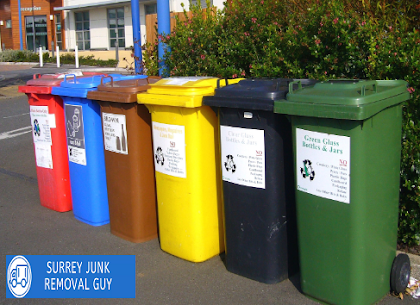
The cornerstone of Surrey’s waste management efforts, curbside collection programs ensure the systematic removal of household waste, recycling, and organic materials from residential areas. Residents receive designated bins for each waste category, making segregation and disposal convenient and efficient. Scheduled pickups ensure that rubbish is promptly collected, reducing the risk of overflow and maintaining the cleanliness of neighborhoods.

Bulky Item Pickup: 

Recognizing the challenges posed by large and cumbersome items, Surrey Waste Collection Services offer bulky item pickup programs. Residents can request the removal of furniture, appliances, and other oversized items, eliminating the hassle of disposing of them independently. This service not only enhances the aesthetic appeal of neighborhoods but also prevents illegal dumping and environmental degradation.

Recycling Initiatives: 

Surrey is committed to promoting recycling as a fundamental aspect of waste management. Waste Collection Services facilitate recycling initiatives by providing residents with comprehensive recycling programs. These programs accept a wide range of materials, including paper, cardboard, glass, plastics, and metals. By diverting recyclable materials from landfills, Surrey minimizes waste generation and conserves natural resources, contributing to a more sustainable future.

Organic Waste Management: 

In line with efforts to reduce organic waste sent to landfills, Surrey Waste Collection Services offer organic waste management programs. Residents are encouraged to separate organic materials such as food scraps, yard waste, and compostable items for curbside collection. These materials are then processed into compost, enriching soil fertility and promoting circular economy principles.

Public Education and Outreach: 

Surrey Waste Collection Services prioritize public education and outreach to foster community engagement and participation in waste reduction efforts. Through workshops, educational materials, and outreach programs, residents are empowered with the knowledge and tools to adopt sustainable waste management practices. By raising awareness about the importance of rubbish reduction, recycling, and composting, Surrey aims to cultivate a culture of environmental stewardship citywide.

Surrey Waste Collection Services exemplify the city’s commitment to effective and environmentally responsible rubbish removal. By leveraging innovative programs, community partnerships, and public participation, Surrey continues to set a precedent for sustainable waste management practices, ensuring a cleaner, healthier, and more resilient future for generations to come.

Private Waste Management Companies:

Several private waste management companies operate in Surrey, offering tailored rubbish removal solutions to residential and commercial clients alike. These companies provide services such as dumpster rentals, junk removal, construction debris cleanup, and recycling programs. With flexible scheduling and competitive pricing, private waste management companies offer convenient options for rubbish removal tailored to the specific needs of their customers.

Recycling and Composting Facilities:

recycling and composting

In line with Surrey’s commitment to sustainability, the city boasts several recycling and composting facilities where residents can responsibly dispose of their rubbish. These facilities accept a wide range of materials, including paper, cardboard, glass, plastics, and organic waste. By diverting recyclable and compostable materials from landfills, Surrey residents contribute to conservation efforts and reduce their environmental footprint.

Community Clean-Up Events:

Community clean-up events provide an excellent opportunity for Surrey residents to come together and tackle rubbish removal on a larger scale. Organized by local community groups, non-profit organizations, and municipal authorities, these events engage volunteers in cleaning up parks, beaches, streets, and other public spaces. Through collective action and community involvement, these events not only remove rubbish but also foster a sense of pride and stewardship among residents.

Hazardous Waste Disposal Programs:

Proper disposal of hazardous waste is essential to safeguarding public health and the environment. Surrey residents can take advantage of hazardous waste disposal programs offered by the city and various other organizations. These programs accept items such as batteries, electronics, paint, chemicals, and pharmaceuticals, ensuring that hazardous materials are disposed of safely and responsibly.

Conclusion

In Surrey, BC, rubbish removal is more than just a chore—it’s a collective effort to preserve the beauty and sustainability of our city. With a variety of waste management solutions ranging from municipal services to private companies and community initiatives, Surrey residents have the resources they need to banish rubbish and keep their surroundings clean and healthy. By choosing responsible rubbish removal practices, we can all contribute to a cleaner, greener future for Surrey and beyond. Contact us today at Surrey Junk Removal Guy to learn more about our efficient rubbish removal services and how we can help you keep Surrey beautiful.


Streamline Your Space: Furniture Removal Hacks You Need to Know

Moving can be both an exciting and daunting task. Whether you’re relocating to a new home or office, the process of packing up your belongings and transporting them can be overwhelming. Among the most challenging items to move are pieces of furniture. Bulky, heavy, and often awkwardly shaped, furniture can pose a significant challenge during the moving process. However, with the right strategies and hacks, you can streamline the furniture removal process and make it more manageable. In this article, we’ll explore some essential furniture removal hacks that will help you navigate your move with ease.

Plan Ahead

Before you start moving any furniture, take some time to plan out your strategy. Assess the layout of both your current and new spaces to determine which pieces of furniture will fit and which ones may need to be sold, donated, or discarded. Create a floor plan of your new space and measure doorways, hallways, and staircases to ensure that your furniture can be safely transported. Planning ahead will help you avoid unnecessary stress and ensure a smoother moving experience.

Disassemble Whenever Possible

Many furniture pieces can be disassembled to make them easier to transport. Before moving any large items, check to see if they can be taken apart. Remove legs, shelves, drawers, and any other removable parts to reduce the overall size and weight of the furniture. Keep track of all hardware such as screws, bolts, and nuts, and store them in labeled bags or containers to ensure they don’t get lost during the move.

Protect Your Furniture

Protecting your furniture during the moving process is essential to prevent damage. Use moving blankets, bubble wrap, or furniture pads to wrap and cushion delicate items such as wooden tables, glass cabinets, and upholstered chairs. Secure the protective materials in place with tape or stretch wrap to keep them from shifting during transport. For extra protection, consider investing in specialized furniture covers or plastic wrap to shield your belongings from dust, dirt, and moisture.

Utilize Furniture Sliders

Moving heavy furniture across hardwood floors or carpeting can be a challenge. Furniture sliders are inexpensive tools that can make this task much easier. Simply place the sliders under the legs or corners of your furniture and glide them effortlessly across the floor. This reduces friction and minimizes the risk of scratching or damaging your floors. Furniture sliders are especially useful for moving items such as sofas, dressers, and bookcases.

Use the Right Equipment

Having the right equipment on hand can make a significant difference when moving furniture. Invest in a sturdy dolly or hand truck to transport heavy items such as refrigerators, washing machines, and large dressers. Make sure the dolly has straps or bungee cords to secure the furniture in place and prevent it from tipping over during transport. Additionally, consider renting or borrowing a moving truck or van to transport your furniture safely and efficiently.

Hire Professional Help

If you’re facing a particularly challenging move or simply don’t have the time or resources to handle it yourself, consider hiring professional movers. Experienced movers have the knowledge, skills, and equipment necessary to safely transport your furniture and belongings with minimal hassle. They can also provide valuable advice and assistance throughout the moving process, saving you time and effort in the long run.

Label Your Boxes

When packing smaller items such as books, dishes, and electronics, be sure to label your boxes clearly. Include the contents of each box as well as the room it belongs in to make unpacking easier. For furniture pieces that have been disassembled, label each part with its corresponding piece of furniture to avoid confusion when reassembling. Use colored stickers or markers to color-code your boxes based on their destination room, making it easier for movers to place them in the right spot.

Take Breaks and Stay Hydrated

Moving furniture can be physically demanding, so it’s essential to take regular breaks and stay hydrated throughout the process. Pace yourself and listen to your body to avoid overexertion or injury. Take breaks to stretch, rest, and refuel with snacks and water. If possible, enlist the help of friends or family members to share the workload and make the moving process more enjoyable.

Donate or Sell Unwanted Furniture

Moving is an excellent opportunity to declutter and downsize your belongings. If you have furniture that you no longer need or want, consider donating it to charity or selling it online. Not only will this help you streamline your move by reducing the amount of furniture you need to transport, but it will also benefit others in need. Be sure to plan ahead and arrange for donation pickups or schedule online listings well in advance of your move date.

Stay Organized

Finally, staying organized throughout the moving process is key to a successful relocation. Keep track of important documents such as leases, contracts, and moving estimates in a designated folder or binder. Create a moving checklist to help you stay on track and ensure that you don’t forget any essential tasks. Communicate clearly with your movers or helpers, and be prepared to adapt to any unexpected challenges that may arise.

Conclusion

Moving furniture doesn’t have to be a stressful experience. By following these furniture removal hacks and strategies, you can streamline the moving process and make it more manageable. From planning ahead and protecting your furniture to utilizing the right equipment and staying organized, these tips will help you navigate your move with ease. With a little preparation and creativity, you can transform your moving day into a smooth and successful transition to your new space. Contact us today to learn more about our professional moving services and how we can help make your move stress-free.

Simplifying Your Space: Top Tips for Furniture Removal

Moving furniture can be a daunting task, whether you’re relocating to a new home or simply looking to rearrange your space. However, with the right approach and a few key tips, the process can be simplified and even stress-free. In this article, we’ll explore some top tips for furniture removal to help you streamline your space effectively.

Plan Ahead:

Before diving into the removal process, take some time to plan. Assess the layout of your space and determine which furniture pieces need to be removed or rearranged. Create a rough layout or floor plan to visualize how you want your space to look after the removal.

Measure Doorways and Hallways: 

Measure the dimensions of doorways, hallways, and staircases to ensure that your furniture pieces can fit through without any issues. This step is crucial to avoid any last-minute surprises or difficulties during the removal process.

Disassemble Large Pieces: 

If possible, disassemble large furniture pieces such as bed frames, tables, and bookshelves before moving them. This not only makes the items easier to transport but also reduces the risk of damage to both the furniture and your home.

Use Proper Lifting Techniques: 

When lifting heavy furniture, always use proper lifting techniques to prevent injuries. Bend your knees, keep your back straight, and lift with your legs rather than your back. If a piece of furniture is too heavy to lift safely, consider using furniture sliders or dollies to move it.

Protect Your Floors and Walls: 

To avoid scratches or damage to your floors and walls, use furniture sliders, blankets, or cardboard to protect them during the removal process. Additionally, be mindful of sharp corners or protruding edges that could cause damage as you move furniture through tight spaces.

Streamline Your Space: Furniture Removal Hacks You Need to Know

Enlist Help:

Don’t hesitate to enlist the help of friends, family members, or professional movers to assist you with furniture removal. Not only does this make the process more efficient, but it also reduces the risk of injuries and damage to your belongings.

Label and Organize: 

As you remove furniture from each room, label the items and their corresponding rooms to make the unpacking process easier later on. Keep similar items together and organize them by room to streamline the moving process.

Dispose of Unwanted Items Responsibly: 

If you’re decluttering or downsizing, dispose of unwanted furniture items responsibly. Consider donating usable furniture to charity, selling items online or through a garage sale, or recycling materials whenever possible.

Take Your Time: 

Moving furniture can be time-consuming, so don’t rush the process. Take breaks as needed, stay hydrated, and pace yourself to avoid exhaustion or injuries.

Celebrate Your Success: 

Once the furniture removal process is complete, take a moment to celebrate your success. Enjoy your newly rearranged space and appreciate the hard work you’ve put in to simplify and streamline your home.

By following these top tips for furniture removal, you can simplify the process and transform your space with ease. Whether you’re moving to a new home or simply refreshing your current space, effective furniture removal techniques can make all the difference in creating a more functional and inviting environment.

Conclusion

In conclusion, simplifying your space through furniture removal doesn’t have to be a daunting task. With careful planning, proper techniques, and a bit of help, you can efficiently rearrange or relocate your furniture to create a more functional and inviting environment.

If you’re feeling overwhelmed or unsure about tackling the furniture removal process on your own, don’t hesitate to reach out for assistance. Whether you need help with heavy lifting, strategic planning, or expert advice, our team is here to support you every step of the way.

Contact us today to learn more about how we can help simplify your space and streamline the furniture removal process. From providing professional moving services to offering tips and guidance, we’re committed to making your furniture removal experience as smooth and stress-free as possible. Let’s work together to transform your space and create the home you’ve always dreamed of.

Seamless Transitions: Navigating Furniture Removal Stress-Free

Moving to a new home can be both an exciting and daunting experience. The anticipation of a fresh start in a new environment is often tempered by the stress of organizing and executing the move itself. Among the many tasks involved, furniture removal stands out as a significant challenge for many individuals and families. However, with careful planning and the right approach, this aspect of the moving process can be managed smoothly and stress-free.

Here are some strategies to help you navigate furniture removal seamlessly:

Assessment and Planning:

Before diving into the moving process, take stock of your furniture. Determine what items you want to bring to your new home and what you can part with. Consider factors such as size, condition, and sentimental value. Planning ahead will help streamline the removal process and prevent unnecessary hassle later on.

Measurements and Space Considerations: 

Once you’ve decided which furniture pieces to take with you, assess whether they will fit comfortably in your new space. Measure doorways, hallways, and rooms to ensure that your furniture can be moved without difficulty. This step will help you avoid any surprises on moving day and enable you to plan the layout of your new home more effectively.

Professional Removal Services: 

Hiring professional furniture removal services can significantly reduce the stress associated with moving bulky items. Look for reputable companies with experience in handling furniture of all shapes and sizes. Professional movers have the expertise and equipment necessary to safely transport your furniture to your new home, minimizing the risk of damage or injury.

Packing and Protection:

Proper packing is crucial to safeguarding your furniture during transit. Use high-quality packing materials such as bubble wrap, furniture blankets, and sturdy boxes to protect delicate items from scratches and dents. Disassemble larger furniture pieces, such as bed frames and tables, to make them easier to transport and reduce the risk of damage.

Labeling and Organization: 

Clearly label each box and furniture piece with its contents and destination room. This will streamline the unloading process at your new home and ensure that each item is placed in the appropriate location. Organizing your belongings beforehand will save you time and effort when unpacking later on.

Coordinate with Your Moving Timeline: 

Coordinate the timing of your furniture removal with other aspects of your move, such as packing, transportation, and utility setup. Create a detailed moving timeline to stay organized and ensure that everything proceeds smoothly on moving day. Communicate with your movers and other service providers to avoid any scheduling conflicts or delays.

Consider Storage Options:

If you’re downsizing or temporarily relocating, consider renting a storage unit for excess furniture. This can help declutter your new space and give you more time to decide what to do with your belongings. Choose a secure storage facility with climate control features to protect your furniture from damage due to humidity, temperature fluctuations, and pests.

Dispose of Unwanted Items Responsibly: 

If you have furniture that you no longer need or want, consider donating it to charity or recycling it responsibly. Many organizations accept gently used furniture donations and can provide them to individuals and families in need. Recycling old furniture helps reduce waste and minimize environmental impact.

Conclusion

By following these strategies, you can navigate furniture removal with ease and make your transition to a new home as seamless as possible. Remember to plan ahead, enlist professional help when needed, and take steps to protect your furniture during transit. With careful preparation and organization, you can turn the daunting task of furniture removal into a stress-free experience. Contact us today for expert assistance and make your move a breeze!

Revamp Your Home: Furniture Removal Strategies for a Fresh Start

Revamping your home can be an exhilarating experience, offering the opportunity to breathe new life into your living space. However, one of the most significant challenges in this process is dealing with old furniture. Whether you’re upgrading to modern pieces, downsizing, or simply refreshing your interior design, effective furniture removal strategies are essential for a successful transformation. In this article, we’ll explore some practical tips and strategies to help you clear out old furniture and embark on your fresh start with confidence.

Assessing Your Furniture Needs:

Before diving into the removal process, take some time to evaluate your furniture needs. Consider the functionality, aesthetic appeal, and overall theme of your home. Identify which pieces are essential and which ones are no longer serving their purpose or fitting into your vision for the space. This step will guide you in deciding what stays and what goes, streamlining the removal process.

Donation and Charity:

One of the most rewarding ways to dispose of unwanted furniture is by donating it to charity. Many organizations accept gently used furniture donations, which can benefit individuals and families in need. Research local charities or nonprofit organizations in your area that accept furniture donations and inquire about their donation guidelines and pickup services. By donating your furniture, you not only declutter your home but also contribute to a meaningful cause.

Selling Preloved Furniture:

If your old furniture is still in good condition, consider selling it to recoup some of your investment. Online marketplaces, such as Craigslist, Facebook Marketplace, and eBay, provide platforms for selling preloved furniture to local buyers. Take clear photos of the items, provide accurate descriptions, and set reasonable prices to attract potential buyers. Additionally, hosting a yard sale or garage sale can be an effective way to sell multiple items quickly while engaging with your local community.

Upcycling and Repurposing:

Get creative with your old furniture by exploring upcycling and repurposing possibilities. Instead of discarding worn-out pieces, consider giving them a new lease on life through refurbishment or repurposing projects. With some sanding, painting, or reupholstering, you can transform outdated furniture into unique statement pieces that add character to your home. Upcycling not only reduces waste but also allows you to personalize your space according to your style preferences.

Renting a Dumpster or Hiring Junk Removal Services:

For furniture that is beyond repair or donation, renting a dumpster or hiring junk removal services may be the most practical solution. Renting a dumpster provides a convenient way to dispose of large items at your own pace, allowing you to declutter your home efficiently. Alternatively, junk removal services offer professional assistance in hauling away unwanted furniture, saving you time and effort. Compare prices and services offered by different providers to choose the option that best suits your needs and budget.

Conclusion:

Revamping your home with new furniture and decor can breathe fresh energy into your living space and enhance your overall enjoyment of your home. However, navigating the process of furniture removal can be daunting without a clear plan in place. By assessing your furniture needs, exploring donation and selling options, getting creative with upcycling, and considering professional removal services, you can streamline the removal process and embark on your home revamp with ease. Embrace the opportunity to declutter, refresh, and create a space that reflects your personal style and aspirations. With the right strategies in place, you’ll be well on your way to achieving the home of your dreams. Contact us today to learn more about how we can assist you in revamping your home and removing old furniture efficiently.